


Officer Killed, Another Injured Inside Swedish Hospital
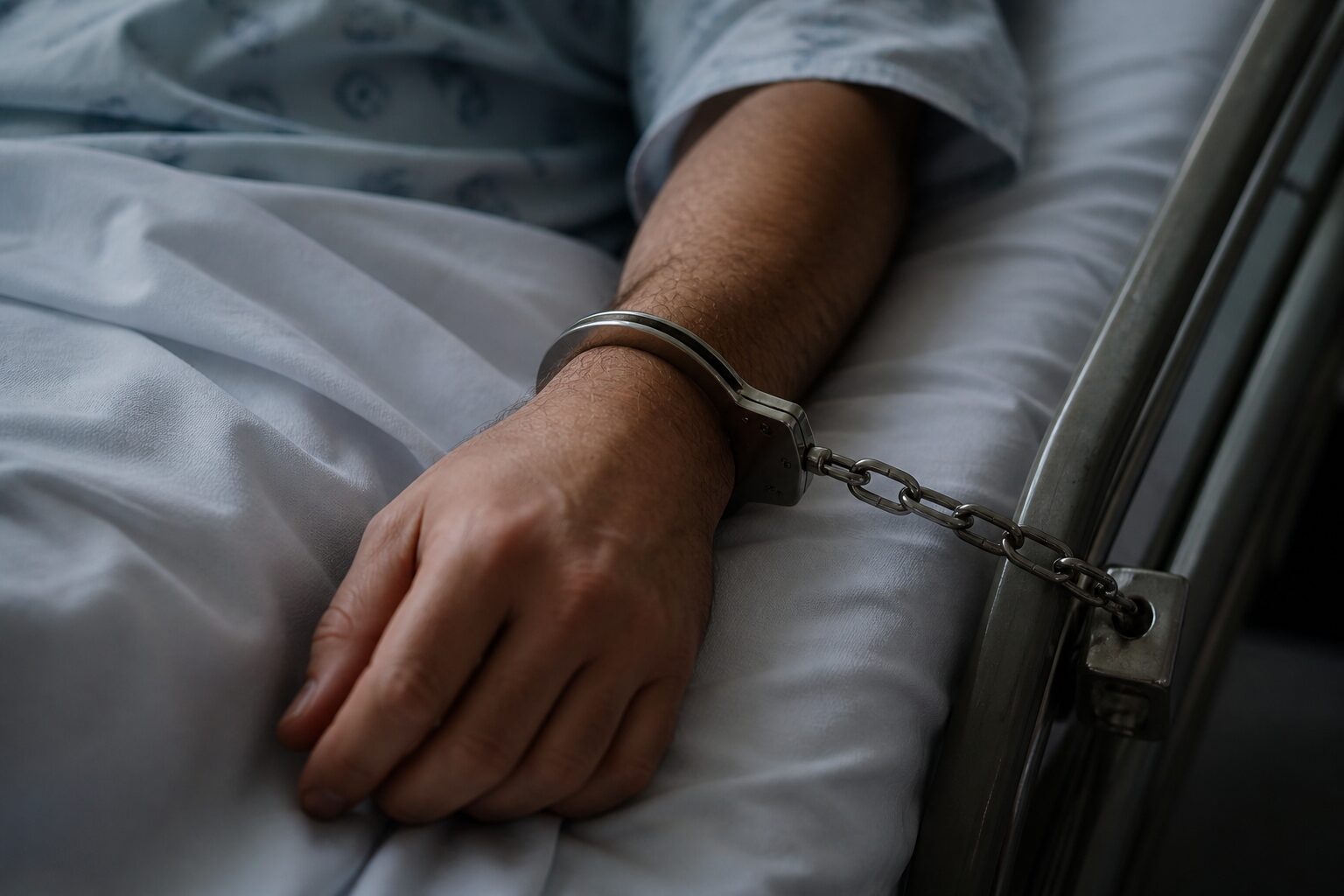
Image for illustrative purposes only
A fatal hospital shooting inside Swedish Hospital has raised serious concerns about security breakdowns in medical settings. Authorities say a detained suspect managed to produce a firearm while inside the hospital, killing a Chicago Police Department officer and critically injuring another.
Prosecutors allege the suspect had been taken to the hospital after claiming he swallowed drugs earlier in the day. While receiving care, he reportedly pulled a concealed handgun from beneath a blanket during a CT scan process, triggering a deadly confrontation in what is typically considered a controlled and secure environment.
Second Hospital Shooting in Less Than a Year
This marks the second violent incident at an Endeavor Health facility in the Chicago area within a year. A previous case involved a patient at Evanston Hospital who accessed a weapon during a psychiatric evaluation, injuring a security guard.
The recurrence of these incidents has intensified scrutiny on how hospitals and law enforcement handle individuals in custody, particularly when they are transported for medical treatment.
Questions Surround Search Procedures and Security Protocols
At the center of the investigation is how the suspect was able to bring a firearm into the hospital. According to officials, standard procedure includes multiple searches—both after arrest and prior to hospital transport.
While the suspect was reportedly screened upon arrival, experts say properly used detection equipment should have identified the weapon. This has led to questions about whether protocols were followed correctly, whether equipment was used properly, and whether additional screening should have taken place once inside the facility.
High-Risk Moments During Custody Transfers
Security professionals point to several critical moments where risk is highest, particularly during the transfer of custody between law enforcement and medical staff. These handoff points—along with times when restraints are removed or patients are allowed privacy—can create opportunities for dangerous oversights.
Experts emphasize that detainees should be closely monitored at all times, especially when changing clothes or being moved throughout the hospital. In this case, surveillance reportedly showed suspicious movements before the shooting, raising further concerns about supervision.
Balancing Medical Care and Security Responsibilities
Situations involving detainees often require coordination between healthcare providers and law enforcement, which can create challenges. Medical staff may need to remove restraints for procedures, while officers must still ensure safety.
Some experts believe that ultimate responsibility for security remains with law enforcement when a suspect is in custody. However, hospitals are still expected to maintain robust safety measures to protect staff, patients, and visitors from foreseeable risks.
High Liability Risks for Hospitals and Security Failures
Incidents like this are considered high-liability events because hospitals are expected to provide a reasonably safe environment for everyone inside. When a weapon enters a secured facility—especially involving a detainee—multiple layers of responsibility come into play.
Liability could potentially involve failures in:
- Proper search and screening procedures
- Staff training and security protocol enforcement
- Communication between law enforcement and hospital personnel
- Monitoring and supervision of high-risk individuals
Large institutions like hospitals have a duty to anticipate and mitigate foreseeable dangers. When those safeguards break down, it can open the door to serious legal consequences for multiple parties involved.
Get Help From a Veteran-Led Legal Team
When preventable safety failures lead to tragedy, victims and their families deserve answers. The experienced, veteran-led team at DJC Law understands how complex cases involving institutional negligence and security breakdowns can be. If you or a loved one has been affected by a violent incident or serious injury, call DJC Law today at (512) 888-9999 for a free, no-obligation consultation. We’ll fight for you with care and skill.