
you don't pay unless we win

Loading...

Fresno Personal Injury Lawyers

Fresno recorded 33 traffic fatalities in 2024, 22 in 2023, and 28 in 2022, with roughly 500 fatal or serious-injury crashes in the city between 2018 and 2022, according to the City of Fresno Vision Zero Action Plan. Pedestrians made up half of all those fatalities, with 127 pedestrian deaths in the city alone between 2018 and 2022. The Smart Growth America “Dangerous by Design 2024” report ranked the Fresno metropolitan area the 7th most dangerous metro in the country for pedestrian safety, with 196 pedestrian deaths countywide between 2018 and 2022. The county climbed from 21st most dangerous in 2021 to 7th in 2024.

Fresno is the fifth-largest city in California, with a population of about 545,000, and the largest city in the San Joaquin Valley. Fresno County has a population of roughly 1 million people and is the agricultural heart of California. Fresno County consistently ranks as the #1 agricultural-producing county in California, and one of the largest in the United States, with major operations in dairy, almonds, grapes, citrus, tomatoes, cotton, poultry, and a broad range of other commodities. The Fresno metropolitan area sits at the crossroads of State Route 99, the spine of the Central Valley, and the major Bay Area, Los Angeles, and East Coast trucking corridors that move California’s agricultural production. The local economy combines agriculture, food processing and packaging, distribution and warehousing, government, healthcare and education (UCSF Fresno, Fresno State, the Fresno County government complex), and the construction sector that supports them. The city is also one of the gateways to Yosemite, Kings Canyon, and Sequoia National Parks, with weekend and seasonal mountain traffic flowing through Fresno via SR-41, SR-180, and SR-168.

That mix produces a distinctive injury caseload. Wrecks on SR-99 running through the city, on SR-41 (the Yosemite Freeway) heading north toward the mountains, on SR-180 heading east toward Kings Canyon, and on I-5 west of the city. Pedestrian deaths concentrated on the city’s wide arterials, especially Shaw Avenue and Blackstone Avenue, which together account for one of the highest concentrations of pedestrian fatalities in California. The notorious Friant Road and Shepherd Avenue intersection (locally known as “Friant Roulette” because of its confusing signal design) has been the site of recurring serious crashes. Truck-related crashes on the SR-99 freight corridor, where commercial vehicles move agricultural production from Fresno County to ports, distribution centers, and consumer markets across the western United States. Workplace injuries on Central Valley farms, in food packing and processing plants, in distribution warehouses, and on construction sites across the metro. Injuries to agricultural workers, including pesticide exposure, equipment injuries, falls, and heat-related injuries during the long Central Valley summer.

You shouldn’t have to take an insurance company’s first offer just because medical bills are piling up. You deserve an attorney who knows Fresno, knows the Fresno County Superior Court, and isn’t afraid to push back when an insurer won’t pay what your case is worth.

At DJC Law, our Fresno personal injury lawyers help accident victims and their families recover after serious injuries. If you were hurt in a wreck on SR-99, SR-41, SR-180, or I-5, hit by a commercial truck moving agricultural freight, struck while walking on Shaw Avenue, Blackstone Avenue, or one of the city’s other wide arterials, injured at work on a Central Valley farm or in a packing plant, or harmed in any other accident caused by someone else’s negligence, we can help.

We work on contingency. You pay nothing unless we win. Call us today for a free, no-obligation consultation. Hablamos español.

What Is Personal Injury Law?

Personal injury law lets people who’ve been hurt by someone else’s negligence, recklessness, or intentional misconduct seek financial compensation for their losses. These are civil claims, separate from any criminal charges. They hold the responsible party accountable and help injured victims recover the money they need for medical bills, lost wages, pain and suffering, and other damages.

Most personal injury cases come down to negligence. To win a negligence claim, you have to prove four things: that the defendant owed you a duty of care, that they breached that duty, that the breach caused your injuries, and that you suffered actual damages.

That sounds simple enough on paper. In practice, insurance companies spend a lot of time and money working to deny, delay, and minimize claims. In Fresno, you may also be dealing with a national trucking carrier moving freight along SR-99 or I-5, a Central Valley agricultural employer, a food packing or processing company, the City of Fresno, the County of Fresno, the Fresno Area Express (FAX) bus system, the Fresno-Yosemite International Airport, the Fresno Unified School District, Caltrans, the State of California, a hospital system, or the National Park Service if your incident occurred in Yosemite, Kings Canyon, or Sequoia National Park. Each comes with its own defense team. An experienced personal injury attorney can level the conversation and improve your chances of a fair recovery.

Why Choose DJC Law

Not every personal injury firm is the same. Here’s what sets DJC Law apart.

You Pay Nothing Unless We Win

We take personal injury cases on contingency. There are no upfront fees, and you owe us nothing unless we recover compensation for you. Our payment comes out of your settlement or verdict, so we only get paid when you do.

Personal Attention From Your Attorney

You won’t get handed off to a paralegal or left wondering what’s going on with your case. Our attorneys stay involved at every stage. We return calls. When you have a question, you’ll get an answer from the lawyer actually handling your case.

Bilingual Representation

Fresno is one of the most diverse cities in California. The city has a large Hispanic and Latino population that has been part of the Central Valley since long before California became a state. Fresno is also home to one of the largest Hmong populations in the United States, with deep ties to Southeast Asian refugee resettlement that began in the 1970s, plus large Punjabi-Sikh, Armenian, Filipino, Mexican, Lao, Cambodian, and African American communities. Many of those families work directly in agriculture, in food processing, or in the small businesses that serve those industries. Your attorney shouldn’t be a barrier to understanding your own case. Our team works in English and Spanish, so you can ask questions and make decisions in the language you’re most comfortable with.

Experience With Fresno’s Distinctive Defendants

Fresno produces a kind of case mix you don’t see in coastal California cities. A wreck involving an 18-wheeler moving agricultural produce on SR-99. A pedestrian struck on Shaw Avenue, Blackstone Avenue, or another of the city’s wide arterials. A construction injury on a Central Valley road project, a food-processing plant build-out, or a warehouse expansion. A slip-and-fall in a downtown Fresno hotel or office tower. A workplace injury at a packing house, a dairy operation, an almond or pistachio orchard, a vineyard, or a row-crop operation. A pesticide exposure or equipment injury sustained by an agricultural worker. A wreck on the way home from Yosemite, Kings Canyon, or Sequoia National Park. A fall on a cracked sidewalk in the Tower District, the Fig Garden corridor, downtown, or one of the older neighborhoods. Each of those cases comes with corporate, governmental, agricultural, or industrial defendants, layered insurance policies, and experienced defense teams. We’re comfortable building cases involving multiple potentially responsible parties (driver, employer, premises owner, contractor, equipment manufacturer, agricultural cooperative, governmental entity) rather than settling for the first or easiest target.

Trial-Ready Representation

Insurance companies and corporate defendants pay attention to which firms actually take cases to court. When they know we’re prepared to try a case, they’re a lot more willing to settle for a fair number. If they aren’t willing, we’re ready to put your case in front of a Fresno County jury.

Local Knowledge, Local Commitment

We know the Fresno County Superior Court, with criminal cases handled at the downtown courthouse, civil and family cases at the B.F. Sisk Courthouse (the former federal courthouse, now used by the Fresno Superior Court), and traffic cases at the M Street Courthouse. We know the federal courts in the U.S. District Court for the Eastern District of California at the Robert E. Coyle United States Courthouse on Tulare Street. We know the dangerous corridors. From SR-99 running the length of the Central Valley, to Shaw and Blackstone Avenues, to the Friant Road / Shepherd Avenue corridor in north Fresno, to the rural state highways serving the agricultural interior of Fresno County, we work cases here regularly.

Personal Injury in Fresno: By the Numbers

Fresno has a population of about 545,000 and Fresno County has roughly 1 million people. According to the Fresno Police Department, the City of Fresno Vision Zero Action Plan, and other public sources:

    • Fresno recorded 33 traffic fatalities in 2024, 22 in 2023, 28 in 2022, 25 in 2021, and 35 in 2020. From 2018 to 2022, on average one person died every seven days in a Fresno traffic collision, with roughly 500 fatal or serious-injury crashes total over that five-year window.
    • Pedestrians made up half of all traffic fatalities in Fresno from 2018 to 2022, with 127 pedestrian deaths in the city alone over that period. The Smart Growth America “Dangerous by Design 2024” report ranked the Fresno metropolitan area the 7th most dangerous metro area in the United States for pedestrian safety, up from 21st in the equivalent 2021 report. Fresno County recorded 196 pedestrian deaths between 2018 and 2022.
    • Pedestrian deaths in Fresno are concentrated on a small number of high-speed surface arterials. Shaw Avenue saw approximately 22 pedestrian fatalities between 2008 and 2022. Blackstone Avenue saw approximately 20 pedestrian fatalities over the same period.
    • State Route 99, the major north-south freeway running the length of the Central Valley through Fresno, has long been one of the deadliest highways in the United States. SR-99 alone was the site of approximately 270 serious-injury collisions and 123 fatalities in Fresno County in 2024.
    • The Fresno Police Department is led by Chief Mindy Casto, the 24th Fresno Chief of Police and the first woman to hold the role in the city’s history. Casto served as interim chief from June 2024 and was sworn in as the permanent chief on February 28, 2025. Mayor Jerry Dyer, a former Fresno Chief of Police himself, leads the city. FPD has approximately 900 sworn officers and is headquartered at 2323 Mariposa Mall in downtown Fresno.
    • The Fresno County Sheriff’s Office is led by Sheriff John Zanoni, who took office on January 2, 2023, after winning the 2022 primary outright. The Sheriff’s Office serves the unincorporated areas of Fresno County, operates the Fresno County Jail and other custodial facilities, and provides court security and civil process services across the county.
    • The Superior Court of California, County of Fresno operates from multiple downtown facilities. Civil and family cases are heard at the B.F. Sisk Courthouse, 1130 O Street (originally completed in 1967 as the federal courthouse for the Eastern District of California, vacated by the federal court in 2006 and rededicated for the Fresno Superior Court in 2010). Criminal cases are heard at the downtown courthouse. Traffic cases are heard at the M Street Courthouse.
    • Community Regional Medical Center (CRMC) in downtown Fresno is the only Level I Trauma Center between Los Angeles and Sacramento, serving a 15,000-square-mile region of central California. CRMC is licensed for 685 inpatient beds, making it the 5th-largest hospital in California, and its emergency department handles 110,000 to 130,000 ED visits per year, ranking it among the busiest emergency departments in the state. The trauma facility is named the Table Mountain Rancheria Trauma Center and the burn facility is the Leon S. Peters Burn Center (the region’s only comprehensive burn center). CRMC is the home of the UCSF Fresno Medical Education Program and the UCSF Fresno Emergency Medicine Residency Program (founded in 1974, one of the first emergency medicine training programs in the country).
    • Pediatric trauma cases are routed to either CRMC or to Valley Children’s Hospital in Madera, which is the Level II Pediatric Trauma Center for the Central California Emergency Medical Services region. Major trauma victims from the surrounding mountain and rural areas are transported to CRMC by Skylife air medical transport or by California Highway Patrol helicopter.

Dangerous Roads and Locations in Fresno

If your wreck happened on one of these corridors, you’re not alone. They show up in Fresno Police Department reports, California Highway Patrol records, and Fresno County Sheriff’s records year after year:

    • State Route 99 (the Central Valley spine): The major north-south freeway running through Fresno from Bakersfield in the south to Sacramento in the north, with continuing freight connections to the Pacific Northwest. SR-99 is one of the busiest commercial freight corridors in the United States, carrying agricultural produce, fuel, lumber, and consumer goods 24 hours a day. SR-99 in Fresno County alone recorded approximately 270 serious-injury collisions and 123 fatalities in 2024, and has long been ranked among the deadliest highways in the country.
    • State Route 41 (the Yosemite Freeway / Eisenhower Freeway): The major freeway running south from Yosemite National Park, through Fresno, and on to the Pacific Coast at Atascadero. SR-41 carries heavy weekend and seasonal mountain traffic, with recurring crashes along the urban Fresno segment and the higher-speed segments north of the city.
    • State Route 180 (the Kings Canyon Freeway): The major east-west freeway running from west of Fresno through downtown to the Kings Canyon National Park entrance. SR-180 carries heavy weekend recreational traffic plus commercial agricultural freight from the western Fresno County agricultural belt.
    • State Route 168 (the Sierra Freeway): The freeway running northeast from Fresno through Clovis to the Sierra Nevada foothills and on to Huntington Lake and Shaver Lake recreational areas. SR-168 carries heavy weekend traffic during summer and winter recreation seasons.
    • Interstate 5: The major north-south freeway running west of Fresno through the western San Joaquin Valley, the principal commercial freight route between Los Angeles and the San Francisco Bay Area. I-5 carries enormous volumes of long-haul commercial trucks, with recurring multi-vehicle and high-severity crashes through the Central Valley stretches.
    • Shaw Avenue: The major east-west surface arterial running through north Fresno, from west of SR-99 through the Fig Garden corridor, the Fashion Fair / River Park retail districts, the Fresno State University area, and into Clovis. Shaw Avenue saw approximately 22 pedestrian fatalities between 2008 and 2022, one of the highest pedestrian-fatality concentrations on any corridor in California.
    • Blackstone Avenue: The major north-south surface arterial running through central and north Fresno, from downtown to the Pinedale / Bullard corridor. Blackstone saw approximately 20 pedestrian fatalities between 2008 and 2022 and is a recognized City of Fresno Vision Zero priority corridor.
    • Friant Road and Shepherd Avenue (the “Friant Roulette” intersection): A notorious north Fresno intersection, locally known as “Friant Roulette” because of confusing signal timing and inconsistent green-arrow phasing. The intersection has been the site of multiple serious and fatal crashes, prompting calls for redesign from neighbors and city officials.
    • Other major surface arterials: First Street, Cedar Avenue, Clovis Avenue, Maroa Avenue, Palm Avenue, Fresno Street, Tulare Street, Belmont Avenue, Olive Avenue, Kings Canyon Road, Jensen Avenue, Cedar and Jensen at Calwa Elementary (an area where Fresno County leadership has flagged at least a dozen pedestrian strikes including children in recent years), and Herndon Avenue all carry heavy traffic and have been identified by the City of Fresno or Fresno County as priority Vision Zero focus areas.
    • Downtown Fresno and the Fresno State University area: The streets around the Fresno County Superior Court complex, the Robert E. Coyle Federal Courthouse, the downtown business district, and Fresno State (the Bulldog Stadium / Save Mart Center area) see heavy pedestrian, rideshare, and event-traffic volume during business hours, court days, athletic events, concerts, and graduation periods.
    • The agricultural interior of Fresno County: Rural state highways and county roads through the western Fresno County and southwestern Fresno County agricultural belts have limited shoulders, no street lighting, and recurring single-vehicle and roadway-departure crashes. Heavy agricultural truck traffic, slow-moving farm equipment, and seasonal workforce commuting all add to the risk.

Types of Personal Injury Cases We Handle

Our Fresno personal injury attorneys take on a wide range of cases. If you’ve been hurt because of someone else’s negligence, we can help.

Car accidents are the single most common cause of serious injury in Fresno. Distracted driving, speeding, drunk driving, and fatigue cause thousands of crashes in Fresno County every year. The National Highway Traffic Safety Administration (NHTSA) identifies all four as leading contributors to fatal crashes nationwide. Texting while driving and handheld phone use while driving are illegal under California Vehicle Code §§ 23123 and 23123.5. [internal-link: car-accidents]

Truck accidents involving 18-wheelers, tanker trucks, agricultural haulers, and other commercial vehicles are a regular part of our practice. The SR-99 corridor through the Central Valley is one of the busiest commercial freight routes in the United States, carrying agricultural production, fuel, lumber, and consumer goods between the Pacific Northwest, the Central Valley, the Bay Area, the Los Angeles Basin, and points east. I-5 to the west carries the long-haul Pacific Coast freight traffic. These cases are governed in part by federal regulations enforced by the Federal Motor Carrier Safety Administration (FMCSA), including hours-of-service rules, drug and alcohol testing, hazmat handling rules, and maintenance standards. Agricultural and farm-product haulers are subject to certain limited exemptions from federal hours-of-service rules under the FMCSA’s agricultural commodity exemption, which can affect the analysis of driver fatigue. There are usually multiple parties who can be held liable, including the driver, the motor carrier, agricultural shippers and brokers, and maintenance providers. [internal-link: truck-accidents]

Motorcycle accidents tend to leave riders with severe injuries because they don’t have the protection of an enclosed vehicle. The Insurance Institute for Highway Safety has long reported that motorcyclists are killed at far higher rates than passenger-vehicle occupants per mile traveled. California permits lane splitting under specific circumstances, which adds another layer of fault analysis to motorcycle crash investigations. Insurance companies often try to use that risk against riders, and we push back hard. The Sierra Nevada foothills, SR-168 to Shaver and Huntington Lakes, SR-180 to Kings Canyon, and SR-41 to Yosemite are popular weekend motorcycle routes that bring riders through Fresno and into the mountains, with recurring serious crashes on the steep grades and tight curves. [internal-link: motorcycle-accidents]

Pedestrian accidents are at the heart of Fresno’s traffic-safety problem. Half of all Fresno traffic fatalities from 2018 to 2022 were pedestrians, and the Fresno metro area is currently ranked the 7th most dangerous metro in the United States for pedestrian safety. Drivers in California have a duty to yield to pedestrians at marked and unmarked crosswalks under California Vehicle Code § 21950, and we hold them responsible when they don’t. We also pursue claims tied to inadequate crosswalks, missing pedestrian signals, and other roadway design issues, including claims against the City of Fresno, Caltrans, the County of Fresno, or other governmental authorities where applicable. [internal-link: pedestrian-accidents]

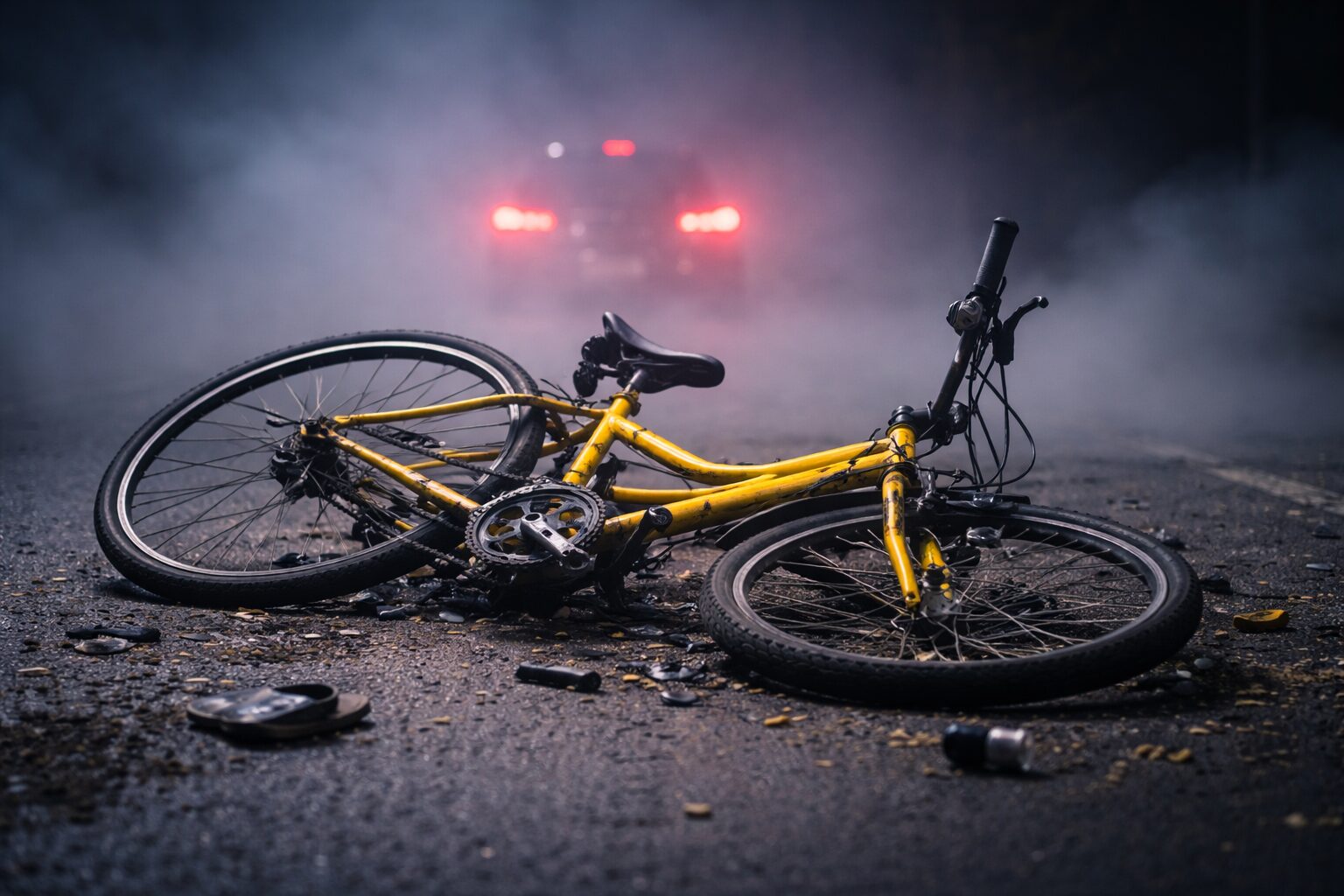
Bicycle accidents are common in Fresno, particularly along the multi-lane corridors of Shaw and Blackstone Avenues, around the Fresno State campus, and on the city’s growing bike-trail network including the Sugar Pine Trail and the Lewis S. Eaton Trail. Cyclists are particularly vulnerable on Fresno’s wide, high-speed arterials, where motor vehicle speeds are high and where protected bike infrastructure is still being built out. We represent injured cyclists, including dooring victims, and pursue full compensation under California law. [internal-link: bicycle-accidents]

FAX bus, school bus, and transit accidents, including crashes involving the Fresno Area Express (FAX) bus system, the Fresno Unified School District bus fleet, charter and tour buses, agricultural-employer worker shuttle buses, and other transit operators, come with their own complications. FAX is operated by the City of Fresno and the school districts are public entities, which means claims against them have to go through the California Government Claims Act process with a six-month claim filing deadline. Public transit drivers and school bus drivers are also held to a higher common-carrier duty of care under California law. [internal-link: bus-accidents]

Rideshare accidents involving Uber, Lyft, and other transportation network companies are common in Fresno because of the heavy reliance on rideshare around the Fresno-Yosemite International Airport, downtown Fresno during major events, the Tower District nightlife corridor, the Fashion Fair / River Park retail districts, the Fresno State campus during athletic events, and the major medical campuses. These cases can involve overlapping insurance coverage that depends on whether the driver was logged into the app, en route to a passenger, or actively transporting one. We help injured riders, drivers, and third parties figure out which policy applies and pursue full recovery. [internal-link: rideshare-accidents]

Premises liability cases come up when a dangerous condition on someone else’s property causes an injury. California premises liability law follows the framework set out in Rowland v. Christian (1968) 69 Cal.2d 108, which imposes a unified duty of reasonable care on owners and occupiers of property, weighed against a multi-factor balancing test. That includes slip and falls, hotel and restaurant injuries, swimming pool incidents, falls in transit stations and bus stops, falls on stairs and escalators, and assault cases tied to inadequate security at apartment complexes, parking garages, and bars. Sidewalk and curb-ramp injuries against the City of Fresno come up regularly because of the age of the older neighborhoods and the city’s deferred maintenance of pedestrian infrastructure. [internal-link: premises-liability]

Construction and workplace accidents happen across Fresno’s varied industrial economy. The food-processing and packing-plant industry, the warehouse and distribution centers along the SR-99 corridor, the agricultural operations across Fresno County (vineyards, orchards, dairies, row crops), the residential and commercial construction across the metro, and the major Caltrans freeway projects on SR-99 and SR-41 all generate workplace and motorist injuries. Many of these cases involve violations of Cal/OSHA workplace safety standards, scaffolding and ladder failures, falling object incidents, equipment manufacturer claims, and third-party contractor liability. The California Workers’ Compensation Act generally bars suits against an injured worker’s direct employer, but third parties (other contractors, equipment makers, premises owners) often remain liable. Agricultural worker injuries, including pesticide exposure, equipment injuries, falls from heights, and heat-related illness during the long Central Valley summer, are a particular concern in Fresno County. [internal-link: construction-accidents]

Dog bites can cause serious physical injuries and lasting emotional trauma. California follows a strict liability rule for dog bites under California Civil Code § 3342, meaning the owner is generally liable for an attack regardless of whether the dog had bitten anyone before. The Centers for Disease Control and Prevention estimates that 4.5 million people are bitten by dogs each year in the United States, with hundreds of thousands needing emergency care. [internal-link: dog-bites]

Product liability cases involve injuries caused by defective or dangerous products. California follows a strict-liability framework for defective products under Greenman v. Yuba Power Products (1963) 59 Cal.2d 57. That includes vehicle defects (which can sometimes be tracked through NHTSA’s recall database), defective agricultural equipment (tractors, harvesters, sprayers, irrigation systems, food-processing machinery), defective industrial equipment, and dangerous consumer goods regulated by the U.S. Consumer Product Safety Commission. Pesticide and chemical exposure cases tied to agricultural production can also fall within product liability. [internal-link: product-liability]

Wrongful death claims allow surviving family members to seek compensation when a loved one is killed because of another party’s negligence or misconduct. These claims are governed by California Code of Civil Procedure § 377.60 et seq., with a separate survivor cause of action under CCP § 377.30 et seq. covering damages the decedent could have recovered if they had survived. [internal-link: wrongful-death]

If your situation isn’t on this list, call us anyway. Personal injury law covers a lot of ground, and we’d rather hear about your case and tell you straight whether we can help.

Common Injuries in Personal Injury Cases

Accidents can cause anything from temporary pain to permanent disability. We represent clients who have suffered:

    • Spinal cord injuries and paralysis
    • Broken bones and fractures
    • Back, neck, and whiplash injuries
    • Herniated discs and soft tissue damage
    • Internal organ damage
    • Burns and scarring
    • Amputation and loss of limbs
    • Knee, shoulder, and joint injuries
    • Cuts, lacerations, and disfigurement
    • Post-traumatic stress disorder (PTSD) and other psychological injuries

Some injuries are obvious right away. Others, like concussions, internal bleeding, and soft tissue damage, can take days or even weeks to fully show up. That’s why getting medical attention as soon as possible after an accident matters. It protects your health, and it documents your injuries early. Community Regional Medical Center in downtown Fresno is the only Level I Trauma Center between Los Angeles and Sacramento and serves a 15,000-square-mile region of central California. CRMC houses the Table Mountain Rancheria Trauma Center and the Leon S. Peters Burn Center, the region’s only comprehensive burn center. CRMC is the home of the UCSF Fresno Medical Education Program. Valley Children’s Hospital in nearby Madera serves as the Level II Pediatric Trauma Center for the Central California EMS region. Other major hospitals serving Fresno patients include Saint Agnes Medical Center, Kaiser Permanente Fresno Medical Center, Clovis Community Medical Center, and Fresno Surgical Hospital. EMS protocols decide which hospital you go to based on your injuries and location.

Compensation Available in a California Personal Injury Case

California law lets injured victims recover both economic and non-economic damages. Depending on the case, punitive damages may also be available.

Economic Damages

These are the financial losses you can document with bills, pay stubs, and receipts:

    • Medical expenses: Past and future treatment, hospital stays, surgeries, medication, rehab, and home care
    • Lost wages: Income you couldn’t earn while recovering
    • Loss of earning capacity: Reduced ability to earn in the future because of permanent impairments
    • Property damage: Repair or replacement of your vehicle and other damaged belongings
    • Out-of-pocket expenses: Transportation to medical appointments, home modifications, and other accident-related costs

Non-Economic Damages

These are losses that don’t come with a receipt but are just as real:

    • Pain and suffering: Physical pain caused by your injuries and their treatment
    • Emotional distress: Anxiety, depression, and psychological trauma stemming from the incident
    • Disfigurement: Permanent scarring or physical changes to your appearance
    • Loss of enjoyment of life: Inability to take part in activities and hobbies you used to enjoy
    • Loss of consortium: The impact your injuries have had on your relationship with your spouse
    • Inconvenience and physical impairment: Limitations on your physical abilities and daily activities

Punitive damages are available in California for cases involving oppression, fraud, or malice, proven by clear and convincing evidence under California Civil Code § 3294. Punitive damages are not available in most medical malpractice cases except in narrow circumstances. In cases where punitive damages are available, courts look closely at whether the conduct went well beyond ordinary negligence.

Medical malpractice damages caps. California’s Medical Injury Compensation Reform Act (MICRA) caps non-economic damages in medical malpractice cases. Following AB 35 (signed in 2022, effective January 1, 2023), the cap on non-economic damages was raised from the original $250,000 to $350,000 for non-death cases and $500,000 for wrongful death cases, with annual increases of $40,000 per year (non-death) and $50,000 per year (wrongful death) until reaching $750,000 (non-death) and $1,000,000 (wrongful death) by 2033. Economic damages are not capped.

How California Negligence Law Works

Understanding the basics of California negligence law helps you understand your case. Here are the key ideas.

Proving Negligence

To win a personal injury case, you have to prove four things:

Duty of care. The defendant had a legal obligation to act reasonably to avoid causing harm. Drivers have to operate their vehicles safely. Property owners have to keep their property in safe condition. Manufacturers have to produce safe products.

Breach of duty. The defendant didn’t live up to that duty. Running a red light, texting while driving (which is prohibited statewide under California Vehicle Code §§ 23123 and 23123.5), or ignoring a known hazard are all examples of a breach.

Causation. The breach actually caused your injuries. There has to be a clear connection between what the defendant did wrong and the harm you suffered.

Damages. You suffered real losses as a result. That can mean medical bills, lost income, pain and suffering, and other categories of harm.

California Pure Comparative Fault

California is a pure comparative fault state, established by the California Supreme Court in Li v. Yellow Cab Co. (1975) 13 Cal.3d 804. That means you can recover compensation even if you are partially at fault for the accident, no matter how much. Your recovery is reduced by your percentage of fault, but there is no threshold that bars recovery. If you are 30% at fault and your damages total $100,000, you’d recover $70,000. If you are 75% at fault and your damages total $100,000, you’d still recover $25,000.

Insurance companies still work hard to push fault onto victims, because every percentage point reduces what they have to pay. Our attorneys fight to keep your share of fault as low as the evidence supports.

The Personal Injury Claims Process

Every case is a little different, but most personal injury claims follow a similar path.

Investigation and evidence gathering. We dig into how the accident happened. That includes police reports (Fresno Police Department crash reports can be requested through the FPD Records Section at headquarters, 2323 Mariposa Mall, by mail, or through the department’s online records request system), medical records, witness statements, photographs, and any other evidence that supports your claim. Crashes on the freeways are typically worked by the California Highway Patrol rather than FPD, since CHP has primary jurisdiction on California freeways. Caltrans incident-management camera footage and traffic management center data have short retention windows. Wrecks downtown, around Fresno State, at the Fashion Fair / River Park retail districts, or at major venues may have private security camera coverage with their own short retention windows.

Medical treatment documentation. We work to make sure your injuries are fully documented by medical professionals. Solid documentation is what proves the value of your damages later.

Demand and negotiation. Once we know the full extent of your damages, we send a demand to the insurance company and negotiate for fair compensation.

Filing a lawsuit. If the insurer won’t make a fair offer, we file suit. Most personal injury cases involving Fresno residents are filed in the Superior Court of California, County of Fresno, with civil cases handled at the B.F. Sisk Courthouse on O Street. Federal cases involving Fresno residents are filed in the U.S. District Court for the Eastern District of California at the Robert E. Coyle United States Courthouse on Tulare Street.

Discovery. Both sides exchange information, take depositions, and gather more evidence under the California Code of Civil Procedure (in state court) or the Federal Rules of Civil Procedure (in federal court).

Mediation, arbitration, or settlement. A lot of cases settle during litigation, often through mediation. Many Fresno County Superior Court personal injury cases go through court-connected mediation programs before any trial.

Trial. If the case doesn’t settle, we present it to a jury and ask for the verdict your case deserves.

Through all of this, we keep you in the loop. You’ll always know what’s happening and what your options are.

Dealing with Insurance Companies

After an accident, you’ll probably hear from an insurance adjuster who sounds friendly and concerned. Don’t read too much into the tone. The adjuster’s job is to keep their company from paying any more than it has to. The California Department of Insurance publishes consumer guides and complaint procedures if you ever feel an insurer is treating you unfairly.

Common insurance company tactics include:

    • Asking for a recorded statement they can later use against you
    • Requesting broad medical authorizations so they can dig for pre-existing conditions
    • Pushing a quick settlement before you know the full extent of your injuries
    • Disputing how serious your injuries are or claiming they aren’t related to the accident
    • Dragging things out, hoping you’ll accept less out of financial pressure
    • Trying to push more fault onto you to reduce your recovery under California’s pure comparative fault rule

Before you talk to any insurance company, talk to an attorney first. Once we’re involved, we handle communications with insurers for you. Trucking companies, agricultural employers, rideshare carriers, transit agencies, hotel chains, and other large defendants all have dedicated claims handlers and rapid-response teams that show up at the scene of major incidents to start collecting statements and lining up favorable witnesses. The same advice applies.

Statute of Limitations: How Long You Have to File

California sets strict deadlines for filing personal injury claims. Under California Code of Civil Procedure § 335.1, you generally have two years from the date of injury to file a personal injury lawsuit. The same two-year period generally applies to wrongful death claims under CCP § 335.1. Miss that deadline and you usually lose your right to recover, period.

Some situations have shorter or different deadlines, and several of them come up regularly in Fresno.

Claims against public entities, including the City of Fresno, the County of Fresno, the City of Clovis, the Fresno Area Express (FAX) bus system, the Fresno-Yosemite International Airport, the Fresno Unified School District and other county school districts, the State Center Community College District, the City and County of Fresno Housing Authorities, and most other local public bodies, are governed by the California Government Claims Act, Government Code § 810 et seq. The most important rule is Government Code § 911.2, which requires you to file a written claim with the public entity within six months of the injury, not two years. After the public entity rejects your claim (or has 45 days to act), you generally have six months from the rejection (or two years from the injury, whichever is later) to file suit. Miss the six-month claim filing deadline and your case is gone.

Claims against the State of California (including Caltrans, the California State Universities, the California Highway Patrol, and other state agencies) follow a similar Government Claims Act process through the California Department of General Services Government Claims Program.

Claims involving incidents in Yosemite, Kings Canyon, or Sequoia National Parks can implicate the Federal Tort Claims Act, which has its own administrative claim process and a separate two-year claim filing deadline. The Yosemite Office of the U.S. District Court for the Eastern District of California hears certain federal cases arising from inside the park. These cases require careful jurisdictional analysis from the start.

Medical malpractice claims have a special statute of limitations under CCP § 340.5: three years from the date of injury or one year from when you discovered (or reasonably should have discovered) the injury, whichever is earlier. Plus, before filing suit, you have to give the defendant 90 days’ notice of intent to sue under CCP § 364. Fresno’s heavy concentration of major medical providers (CRMC, Saint Agnes, Kaiser Permanente, Clovis Community, Valley Children’s, Fresno Surgical Hospital) means med-mal cases come up regularly.

Claims involving minors may have extended deadlines under California tolling rules, but the Government Claims Act six-month deadline still applies in most public-entity cases involving minors.

Don’t sit on your case waiting to see if your injuries get better. Even if you’re not ready to file a lawsuit, talking to a lawyer early makes sure you understand which deadline applies to your case.

Steps to Take After an Accident in Fresno

If you’ve been hurt in any kind of accident, the steps you take afterward can protect both your health and your legal rights.

    1. Get medical attention right away. Call 911 if anyone is seriously hurt. Major trauma cases in Fresno are routed to Community Regional Medical Center in downtown Fresno, the only Level I Trauma Center between Los Angeles and Sacramento. Pediatric trauma cases are routed to either CRMC or to Valley Children’s Hospital in Madera, the Level II Pediatric Trauma Center for the region. Patients from the Sierra Nevada mountain areas, Yosemite, Kings Canyon, or Sequoia are often transported to CRMC by Skylife air medical transport or by California Highway Patrol helicopter. EMS protocols decide which hospital you go to based on your injuries and location.
    2. Report the accident. If the crash happened inside Fresno city limits, call 911 to get an officer to the scene. The Fresno Police Department non-emergency line is available through the FPD website, and headquarters is at 2323 Mariposa Mall. Crashes on the freeways are typically worked by the California Highway Patrol, with the CHP Fresno area office serving the metro. Crashes in unincorporated Fresno County are handled by the Fresno County Sheriff’s Office under Sheriff John Zanoni. Crashes in Clovis, Sanger, Selma, Kerman, Reedley, Fowler, or other Fresno County cities are handled by those municipal police departments.
    3. Document everything. Take photos of the accident scene, your injuries, property damage, road conditions, and traffic signs. Note the time of day, the weather, and the direction you were traveling. Central Valley fog, especially in the late fall and winter months, can become a key factor in liability and is a recurring contributor to multi-vehicle pileups on SR-99 and I-5.
    4. Get witness information. Collect names, phone numbers, and email addresses from anyone who saw what happened. Crashes on weekend mountain return-trip routes (SR-41, SR-180, SR-168) often have witnesses from out of town heading home from Yosemite, Kings Canyon, Shaver Lake, or Huntington Lake, so get their contact information before they leave.
    5. Request your crash report. California Traffic Crash Reports (CHP 555 form) are typically available within 10 to 14 business days of the crash. FPD crash reports can be obtained through the FPD Records Section. CHP reports are available through the CHP records process. Reports filed by the Fresno County Sheriff’s Office can be requested through the Sheriff’s Records Unit.
    6. Keep records. Save all medical bills, prescription receipts, mileage logs to and from appointments, and pay stubs that show the work you missed.
    7. For trucking and commercial cases, act fast. These defendants typically have rapid-response teams that arrive at the scene within hours. Evidence like driver logs, ECM (engine control module) data, surveillance footage, and maintenance records can be lost or overwritten in days. A spoliation letter from your lawyer puts the company on notice to preserve that evidence. The SR-99 corridor through Fresno County is one of the busiest commercial freight routes in the country, which means truck cases here are common.
    8. For agricultural worker injuries, get specialized advice immediately. Agricultural workplace injury cases in the Central Valley can involve workers’ compensation, third-party liability against equipment manufacturers, premises liability against landowners distinct from the direct employer, pesticide exposure claims, and federal labor-protection statutes. The interaction between California Workers’ Compensation, the Migrant and Seasonal Agricultural Worker Protection Act, and Cal/OSHA agricultural standards is layered, and the deadlines move quickly.
    9. For governmental cases, calendar the deadlines immediately. Claims against the City of Fresno, the County of Fresno, FAX, the Fresno-Yosemite Airport, Fresno Unified School District, Caltrans, or any other public entity have six-month claim filing deadlines under the California Government Claims Act, far shorter than the standard two-year statute of limitations. Missing the six-month deadline can defeat an otherwise strong case before it ever starts.
    10. For incidents in Yosemite, Kings Canyon, or Sequoia National Parks, get specialized advice immediately. Incidents inside national park boundaries can implicate the Federal Tort Claims Act, which has its own administrative claim process and a two-year deadline. Don’t assume the State of California Government Claims Act applies.
    11. Don’t give a recorded statement. If the other driver’s insurance company asks for one, politely say no until you’ve spoken with an attorney.
    12. Don’t sign anything. Insurance companies sometimes hand over releases or settlements that look routine but quietly waive your rights. Have a lawyer look at it first.
    13. Call a personal injury attorney. The sooner you have legal representation, the better protected your case is, especially if a public entity, agricultural employer, federal property, or large corporate defendant may be involved.

How Our Fresno Personal Injury Lawyers Help

Trying to handle a personal injury claim while you’re still recovering from a serious injury is exhausting. Our team takes the legal work off your plate so you can focus on getting better.

We investigate the accident, gather the evidence we need to prove liability and damages, and handle every conversation with the insurance companies. When a case calls for it, we bring in medical experts, accident reconstructionists, biomechanical engineers, vocational economists, and life-care planners to help build it.

We also calculate the full value of your losses, including future expenses and the kinds of non-economic damages that are easy to undercount. Then we negotiate hard for fair compensation. We also prepare every case as if it’s going to trial, because the cases that look ready for trial almost always settle for more.

If the insurance company won’t pay what your case is worth, we go to court.

Frequently Asked Questions About Fresno Personal Injury Cases

How much does it cost to hire a personal injury lawyer in Fresno?

Nothing upfront. We work on contingency, which means we only get paid if we recover compensation for you. Our fee comes as a percentage of your settlement or verdict. If we don’t win, you don’t pay. The consultation is free.

How long do I have to file a personal injury lawsuit in California?

Generally two years from the date of injury under California Code of Civil Procedure § 335.1. But several exceptions matter in Fresno. Claims against the City of Fresno, the County of Fresno, FAX, Fresno Unified School District, Caltrans, and most other public bodies have six-month claim filing deadlines under the California Government Claims Act. Claims involving incidents in Yosemite, Kings Canyon, or Sequoia National Parks may have a separate two-year administrative claim process under the Federal Tort Claims Act. Don’t assume your deadline based on the general rule. Have an attorney confirm it.

My wreck happened on SR-99, SR-41, SR-180, or I-5. Why does that matter?

The freeway system is owned and maintained by Caltrans (the California Department of Transportation), and the California Highway Patrol has primary law enforcement jurisdiction on freeways, not the Fresno Police Department or the Fresno County Sheriff’s Office. That affects which agency’s crash report is the official document, where to obtain it, and which roadway-design and maintenance records may be relevant if Caltrans contributed to the cause of the wreck. Freeway cases also often involve heavier truck volumes, higher speeds, and more complex multi-vehicle reconstruction work than surface-street cases. SR-99 in particular has some of the highest commercial truck volumes in the country and a long-running track record as one of the most dangerous highways in the United States. Caltrans incident-management camera footage and traffic management center data have short retention windows. We move quickly to preserve those records.

I was injured working on a Central Valley farm or in a packing plant. What’s different about that case?

A lot. Agricultural workplace injury cases in Fresno County come up far more often than in coastal California cities. The interaction between California Workers’ Compensation (which generally bars suits against the direct employer), Cal/OSHA agricultural standards (which set heat-illness, pesticide, equipment, and field-sanitation requirements), the federal Migrant and Seasonal Agricultural Worker Protection Act, and third-party liability claims (against equipment manufacturers, pesticide manufacturers, landowners distinct from the direct employer, contractors, or other parties) is layered and depends on the specific facts. Heat-illness injuries during the long Central Valley summer are a major concern, with Cal/OSHA-mandated water, shade, and rest-break protocols. Pesticide exposure injuries can implicate both the manufacturer and the applicator. Equipment injuries (tractor rollovers, harvester injuries, hand-tool injuries) can implicate the equipment manufacturer. We work through these layered cases regularly.

My injury happened in Yosemite, Kings Canyon, or Sequoia National Park. What’s different?

A lot. National parks are federal property managed by the National Park Service, and incidents inside park boundaries can implicate the Federal Tort Claims Act, which has its own administrative claim process and a separate two-year claim filing deadline. The U.S. District Court for the Eastern District of California maintains a Yosemite office that hears certain federal cases arising from inside Yosemite National Park, including misdemeanor traffic offenses. Park concessioners (lodges, transportation services, food services, equipment rental operations) may have separate liability under either federal or state law depending on the contract structure. Don’t assume the State of California Government Claims Act applies. We work through the jurisdictional puzzle early.

I tripped on a cracked sidewalk in Fresno. Can I sue the city?

Maybe. Sidewalk-injury cases against the City of Fresno come up regularly because of the age of the older neighborhoods, including downtown, the Tower District, the Armenian Town historic district, the Fresno High area, and parts of central Fresno. These cases are governed by the California Government Claims Act, which requires you to file a written claim with the city within six months of the fall. The case turns on whether the defect was “dangerous” within the meaning of Government Code § 835, whether the city had actual or constructive notice, and whether the city had reasonable time to fix it. Document the defect with photographs and measurements, and call us. The six-month claim filing deadline is unforgiving.

I was hit by a FAX bus or school bus. What’s different about that case?

A lot. The Fresno Area Express (FAX) bus system is operated by the City of Fresno, and the school districts (including Fresno Unified, Clovis Unified, Sanger Unified, Central Unified, and others) are public entities. Claims against any of them have to go through the California Government Claims Act, which means you have to file a written claim within six months of the injury under Government Code § 911.2 before you can sue. Public transit drivers and school bus drivers are also held to a higher common-carrier duty of care under California law. We move fast on transit cases to make sure every claim filing and procedural deadline is met.

Does California have a dram shop law?

Mostly no. Under California Business and Professions Code § 25602, sellers and furnishers of alcohol are generally not liable for injuries caused by intoxicated patrons. The major exception is liability for serving an obviously intoxicated minor under Business and Professions Code § 25602.1, which still allows a civil claim against a licensee. Social hosts also cannot generally be held liable for injuries caused by intoxicated guests under Civil Code § 1714(c), again with a narrow minor exception. So while drunk-driving crashes leaving the Tower District nightlife corridor, downtown Fresno, the Fresno State campus area, and other Fresno entertainment districts are common, the path to recovery generally runs through the drunk driver and that driver’s insurance, not the bar that served them, except in cases involving minors.

My crash happened in Fresno but the at-fault driver lives in Clovis, Madera, Visalia, or somewhere else in the Central Valley. Where do I file?

Generally either the county where the wreck happened or the county where the at-fault driver lives is a proper venue under California’s general venue statute (CCP § 395). Most Fresno wrecks involve Fresno County venue, but if the at-fault driver lives in Madera, Tulare, Kings, Merced, or Mariposa Counties, those venues may also be available. We talk through venue strategy early in the case.

I was hit by an 18-wheeler on SR-99 or I-5. What’s different about a truck case?

A lot. Commercial trucks are governed by federal regulations from the Federal Motor Carrier Safety Administration that don’t apply to passenger vehicles, including hours-of-service rules, driver qualification files, drug and alcohol testing, and equipment inspection requirements. There are also typically multiple potentially responsible parties, including the driver, the trucking company, the freight broker, the agricultural shipper or processor, and any maintenance contractor. Liability and insurance coverage in a truck case are usually much larger than in a typical car wreck, and the trucking company will have a defense team on the scene fast. We move just as fast to preserve evidence like ECM downloads, driver logs, dispatch records, and dashcam footage. SR-99 and I-5 between Bakersfield and Sacramento are two of the busiest commercial freight corridors in the United States, which means truck cases here are common.

I was hit by an Uber or Lyft driver in Fresno. Whose insurance covers me?

It depends on what the driver was doing at the time of the wreck. If the rideshare app was off, the driver’s personal auto policy applies (and rideshare drivers often have policies that exclude coverage when driving for hire, which can leave a gap). If the app was on but the driver hadn’t accepted a ride, Uber and Lyft typically provide limited contingent coverage. If the driver had accepted a ride or had a passenger in the car, the rideshare company’s $1 million liability policy usually applies. Fresno’s reliance on rideshare around the Fresno-Yosemite International Airport, the Tower District, downtown, the Fashion Fair / River Park retail districts, and the Fresno State athletic events means these layered-coverage questions come up regularly. We work through them and identify all available coverage.

Is California a no-fault state for car accidents?

No. California is an at-fault (or “tort”) state. The driver who caused the wreck, and that driver’s insurance company, is responsible for the damages. That’s different from no-fault states, where each driver typically files with their own insurer regardless of who caused the wreck. In California, fault investigation and the police or CHP crash report often shape the outcome of your case.

What is the minimum auto insurance required in California?

California raised its minimum auto insurance requirements on January 1, 2025, under Senate Bill 1107 (the Protect California Drivers Act). The new minimums are 30/60/15, meaning $30,000 per injured person, $60,000 per accident, and $15,000 for property damage. The previous limits, set in 1967, were 15/30/5. The new minimums also apply to uninsured motorist coverage. The 30/60/15 limits will increase again in 2035 to 50/100/25. Even at the new higher minimums, the limits often aren’t enough to cover serious injuries from a freeway wreck, which is why purchasing higher UM/UIM coverage matters so much.

How long will my case take?

It depends. Some cases settle within months. Others take a year or more, especially if litigation is needed. Cases with disputed liability, severe injuries, governmental defendants, agricultural worker issues, federal property issues, or commercial parties generally take longer. Fresno County Superior Court has a heavy civil docket. We work to resolve your case as quickly as we reasonably can without rushing it past a fair result.

What if I was partially at fault for my accident?

You can still recover compensation. California is a pure comparative fault state under Li v. Yellow Cab Co. (1975), which means you can recover even if you are mostly at fault. Your recovery is reduced by your percentage of fault, but there is no threshold that bars recovery. If you are 30% at fault and your damages are $100,000, you’d recover $70,000. If you are 75% at fault and your damages are $100,000, you’d still recover $25,000.

Should I accept the insurance company’s settlement offer?

Not without talking to an attorney first. Initial offers are almost always far below what your case is worth. Once you sign a release, you can’t reopen the claim, even if your injuries turn out to be more serious than you thought. Have a lawyer review any offer before you sign anything.

How much is my case worth?

Every case is different. Value depends on the severity of your injuries, your past and future medical expenses, lost income, pain and suffering, the strength of the evidence, and the available insurance coverage. We can give you a more accurate range after we review the specifics of your case in a free consultation.

Are personal injury settlements taxable in California?

According to IRS Publication 4345, the part of a personal injury settlement that compensates you for physical injuries or physical sickness is generally not taxable. Portions allocated to lost wages, interest, or punitive damages can be taxable. California state income tax follows the federal rule for most categories of injury settlement proceeds, but you should always confirm tax treatment with a CPA.

What if the other driver doesn’t have insurance?

You may still have options. Your own uninsured/underinsured motorist (UM/UIM) coverage may apply. As of January 1, 2025, California’s minimum UM coverage matches the new 30/60 liability minimums. Other parties, like an employer if the at-fault driver was on the job, may also share liability. We look at every angle for compensation.

Where do I get my Fresno accident report?

You can request your Fresno Police Department crash report through the FPD Records Section at headquarters, 2323 Mariposa Mall, Fresno, CA 93721, or through the FPD’s online records request system. CHP crash reports for incidents on the freeway system are available through the CHP records process. Reports filed by the Fresno County Sheriff’s Office can be requested through the Sheriff’s Records Unit. If we represent you, we’ll handle getting the report as part of our investigation.

Helpful Fresno and California Resources

If you’ve been hurt in an accident in Fresno, these public resources may be useful:

    • Fresno Police Department. Emergencies 911. Headquarters: 2323 Mariposa Mall, Fresno, CA. Chief Mindy Casto (the 24th Chief and the first woman to hold the role, sworn in February 28, 2025).
    • Fresno County Sheriff’s Office. Sheriff John Zanoni (sworn in January 2, 2023). Provides law enforcement services to unincorporated Fresno County, operates the Fresno County Jail, and provides court security.
    • California Highway Patrol. Primary law enforcement jurisdiction on California freeways, with the CHP Fresno area office serving the metro.
    • Community Regional Medical Center. The only Level I Trauma Center between Los Angeles and Sacramento. Downtown Fresno. Plus Valley Children’s Hospital (Madera, Pediatric Level II), Saint Agnes Medical Center, Kaiser Permanente Fresno, Clovis Community Medical Center.

Contact Our Fresno Personal Injury Attorneys Today

If you’ve been hurt because of someone else’s negligence, you don’t have to take on the insurance companies on your own. The Fresno personal injury lawyers at DJC Law have the experience and the resources to go to bat for you.

Reach out for a free consultation. We’ll listen to your story, walk you through your options, and help you figure out what to do next. There’s no obligation, and you don’t pay us anything unless we win. Hablamos español.

google-wordmarks-2x
Reviews